West Palm Beach Vent Cleaning Trusted Service
Need expert West Palm Beach dryer vent cleaning technicians? We provide reliable, code‑compliant airflow using HEPA‑contained extraction, rotary brushing, and instrumented verification. You'll notice quicker drying times, minimized fire risk, and better indoor air quality in our coastal humidity. We thoroughly inspect run length, elbows, materials, and termination according to NFPA 211/IMC, then document pre/post CFM, static pressure, temperature rise, and photos. We correct crushed flex, properly seal joints with UL foil tape, and confirm damper function. Discover how we demonstrate measurable improvements next.
Main Highlights
- Licensed dryer vent technicians working throughout West Palm Beach, enhancing fire prevention, indoor air quality, and power efficiency in compliance with NFPA 211 and manufacturer specifications.
- Full-service cleaning: featuring HEPA negative-pressure capture, rotary brushing, termination hood cleaning, and UL-2158A certified repairs and sealing.
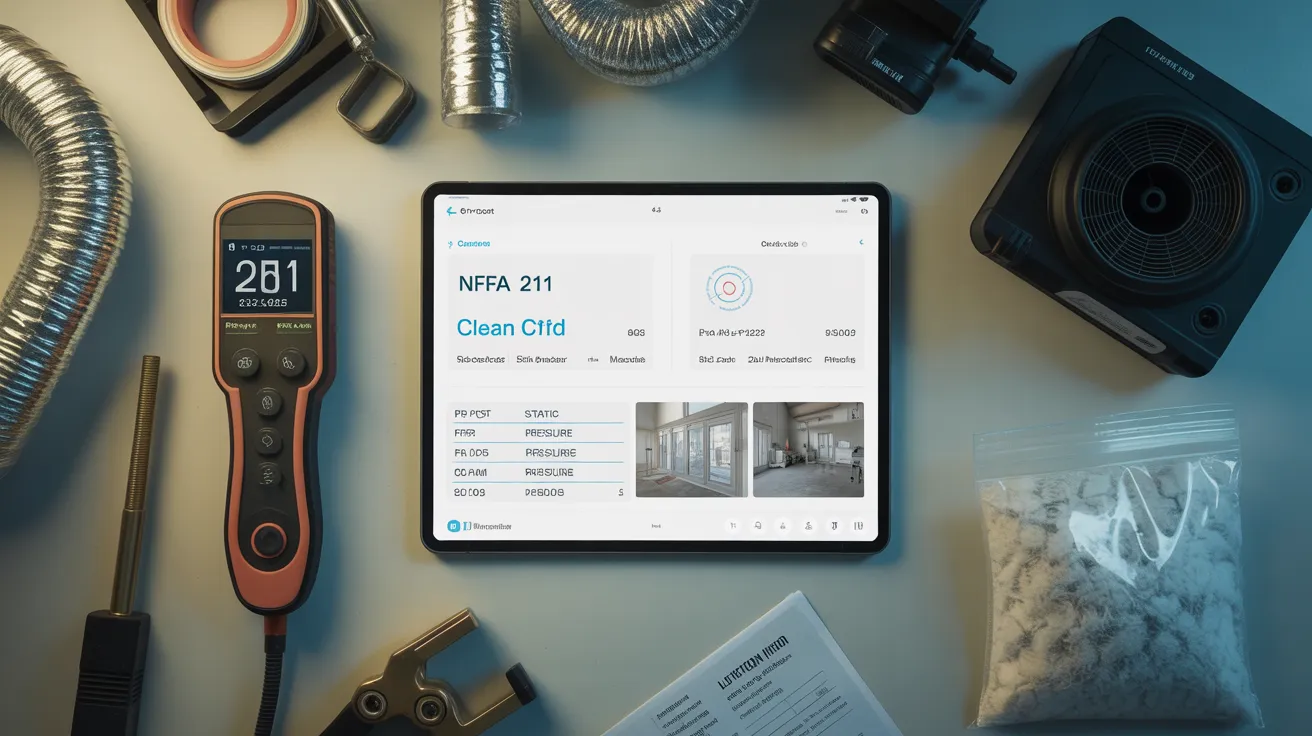
- Complete system analysis featuring static pressure readings, airflow analysis, thermal performance testing, and amperage monitoring; accompanied by before and after photos and detailed test results.
- Quick action when you notice warning signs: extended drying cycles, hot cabinets, musty smells, poor exterior airflow, or activated thermal fuses.
- Seaside-specific solutions to combat environmental risks from humidity and corrosion; delivering professional service packages for residential properties, condominiums/HOAs, and commercial buildings.
Why Dryer Vent Cleaning is Essential in West Palm Beach
Since lint accumulation is a leading cause of residential fires, routine dryer vent cleaning in West Palm Beach is a critical safety task that minimizes fire risk, optimizes airflow, and ensures equipment compliance with manufacturer and NFPA 211/CSA C22.1 specifications. You'll also shield wiring, terminations, and junction ducts from thermal strain and backpressure. By clearing obstructions, you reestablish design static pressure, maximize exhaust velocity, and lower cycle times, improving energy efficiency and extending motor life.
When dealing with humid coastal environments, proper humidity control at the laundry envelope is essential. Well-maintained vents effectively expel humid air, helping prevent moisture damage, mold development, and metal corrosion. Expert cleaning ensures appropriate duct system standards, including properly constructed metal walls, sealed connections, and adequate vent termination spacing, while confirming accurate power and gas hookups and vent damper performance. This guarantees year-round safety and compliance with regulations.
Critical Signs Your Dryer Vent Needs Urgent Attention
When your dryer displays heat stress, airflow restriction, or electrical/gas anomalies, consider these red flags that require prompt intervention. Should the dryer's surface or door become extremely hot, the exhaust duct could be obstructed. Longer-than-normal drying periods point to diminished air movement and pressure concerns within the ventilation system. The presence of musty odors suggests water retention due to inadequate ventilation. The appearance of lint near the exterior vent, a malfunctioning backdraft damper, or a crushed flex duct all signal flow restrictions.
Watch for diminished exhaust stream at the termination, a blown thermal fuse, or continuous switching on the high‑limit thermostat. Heat discoloration, rattling ducts, or rattling elbows point to improper support or mounting. Should you detect the gas burner rapidly cycling or detect erratic amperage, deactivate the unit and book a vent checkup.
Fire Safety and Indoor Air Quality Benefits
While a dryer may seem like a routine appliance, the venting system represents a major fire risk should lint collect or ventilation become compromised. You can reduce fire risks by maintaining proper duct dimensions, using metal connections, and following code-approved termination. Adequate ventilation decreases temperature, better prevents smoke issues, and reduces combustible lint buildup. Moreover, you shield inhabitants from CO gas intrusion when gas dryers can vent properly and connections stay sealed.
Properly maintained ducts improve air quality indoors. Efficient air filtration at the appliance and free-flowing exhaust promote allergen elimination by filtering out dust, pet dander, and contaminants rather than recirculating them. Controlled exhaust improves humidity regulation, limiting dampness problems and wall cavity condensation. Briefer cycles lead to reduced thermal stress, increasing fabric lifespan. Complying with NFPA 211/54 clearances and UL-listed components ensures performance and health.
Our Trusted Dryer Vent Cleaning Method
We begin with a detailed inspection and code compliance check to detect duct damage, blockages, and terminal problems. Following this, we execute thorough removal of lint and debris utilizing agitation techniques and negative-pressure systems to avoid spreading. In conclusion, we validate performance through calibrated airflow measurements and document that exhaust performance satisfies both manufacturer guidelines and local regulations.
Evaluation and Inspection
Prior to starting any work, our technicians perform a comprehensive inspection and code-based evaluation to establish baseline conditions and detect potential hazards. We initiate with a visual examination of the flex hose, vent path, termination cover, and distances to confirm UL-listed components, proper routing, and secure connections. We check duct material, length, and equivalent elbows against manufacturer specifications and Florida Building Code regulations.
We assess airflow levels, static pressure readings, and backdraft damper performance to identify potential restrictions or improper venting. We perform moisture detection at the lint screen, coupling, and exterior vent to identify water buildup or compromised ducting. We examine gas dryer combustion air supply, exhaust clearances, and electrical grounding. We'll provide comprehensive reports, safety recommendations, and compliance guidance before continuing with repairs.
Debris and Lint Removal
After documenting baseline conditions, we advance immediately into cleaning out lint and debris using methods specifically matched to your dryer vent's characteristics. We initially isolate power, safeguard the appliance, and set up professional HEPA filtration to ensure negative pressure. You'll watch us use rotary brush rods or air-powered whips sized to the duct diameter, safely dislodging compacted dryer lint and vent debris without damaging joints or flexible components.
We start from termination to the unit, carefully cleaning connectors, seams, and elbows, then performing antistatic vacuum cleaning to avoid re-contamination. We package and record all removed material for documentation purposes. We maintain the damper, termination hood, and protective screen, restoring free movement. In conclusion, we verify and adjust all clamps, check all set screws, and substitute any unsuitable plastic or foil connections with UL-2158A certified components.
Airflow Testing and Verification
Confirm performance with instrumented airflow analysis. Following debris removal, you must verify system efficiency utilizing calibrated diagnostic instruments including hygrometers, anemometers, and manometers. Set baseline metrics at the exterior vent with the dryer running and properly connected on a timed cycle. Measure and document duct static pressure, velocity, and volumetric flow. Compare these measurements against OEM specifications and ACCA/ASHRAE guidelines to verify safe performance.
Conduct pressure mapping along key locations such as inline fittings, exterior hood, appliance collar, and connector hose. Identify irregular pressure drops that point to remaining obstruction, compressed flex, or backdraft damper failure. Confirm that exhaust velocity properly clears lint without exceeding prescribed standards for flex duct.
Log ambient humidity and temperature readings to help understand performance results. If performance goals aren't met, provide appropriate corrective measures. Finish up by adding the test data to the service documentation for future reference and compliance requirements.
Professional Tools and Techniques We Employ
Though all homes are unique, we deploy a standardized set of tools to clean thoroughly vents and meet code. You get a detailed procedure that prioritizes fire safety and optimal air circulation. We start with robotic inspection to chart the entire duct network, verify elbows, and locate constrictions without dismantling finishes. Following this, we use thermal imaging to detect hidden heat variations revealing lint buildup, damaged flex, or separated joints.
Our team employs mechanical brush systems sized according to duct diameter, then remove contaminants using HEPA-filtered negative pressure avoiding indoor re-entrainment. When regulations allow, we deploy adaptable whip attachments for sensitive portions and synthetic poles for rigid metal runs. We measure motor amperage, verify backdraft damper performance, and secure joints applying UL-listed foil tape, not cloth duct tape, delivering durable, code-compliant solutions.
Complete Solutions for Homes, Condominiums, and Business Locations
We provide specialized residential services that align with duct length, material, and appliance specifications while following NFPA 211 and manufacturer standards. For multi-unit dwellings, we handle access arrangements, document findings, and adhere to HOA bylaws and local fire code to maintain shared shafts and booster fans up to code. Commercial clients receive professional maintenance programs with regular cleaning, airflow monitoring, and detailed reports to fulfill OSHA requirements and AHJ assessments.
Custom Residential Solutions
Developed exclusively for diverse living settings, our specialized residential dryer vent solutions address the specific compliance needs, ventilation requirements, and accessibility issues present in various residential properties including houses, condominiums, and townhouses. We initiate with an extensive assessment following NFPA 211 and IRC guidelines, measuring duct length, elbow count, termination type, and material. Subsequently, we clear lint and blockages using advanced rotary brushing and HEPA-contained negative get more info pressure to return to optimal airflow and pressure specifications.
We maximize energy efficiency by verifying vent run geometry, fixing crushed flex, securing joints with UL-listed foil tape, and calibrating proper backdraft damper tension. We provide documentation: comprehensive data including airflow measurements, amp readings, temperature changes, and visual documentation. Considering West Palm Beach humidity, we recommend seasonal scheduling ahead of peak dryer use, providing optimal safety, accelerated drying, and minimal system wear.
HOA Compliance Requirements
Given that the risk concentration in multi-unit properties, our condominium compliance service aligns dryer vent maintenance with NFPA 211, NFPA 70 (NEC), and the International Residential/Mechanical Codes, plus your insurance specifications and association bylaws. We establish uniform workflow, access guidelines, and reporting to satisfy association requirements while minimizing resident impact.
We begin with safety evaluations of ventilation shafts and internal duct systems, verifying material type, run length, termination, air dampers, and ventilation systems. We'll provide deficiency lists prioritized by hazard, photographic proof, and improvement recommendations. Our technicians clear obstructions, remove foil or vinyl flex where prohibited, apply certified sealants to connections, and set service intervals according to usage and debris accumulation.
All reports are timestamped and recorded, maintain detailed unit participation records, and maintain complete service records for insurers, boards, and fire inspectors.
Commercial-Grade Maintenance Programs
As fire danger grows with lint accumulation and usage time, our commercial-grade maintenance services implement dryer vent maintenance for residential and commercial properties under the same code-compliant framework. You'll receive NFPA 211/54-aligned evaluations, ventilation testing, and detailed cleaning timeframes matched to facility use and occupancy levels.
We implement service contracts that define service levels, timing, and response parameters, protecting you from unexpected outages and violations. Our skilled technicians inspect correct duct installations, connections, and damper operations, then assess pressure levels and air flow to verify system efficiency. We remove blockages, repair connections, adjust building stacks, and upgrade compromised flexible ducts with metal ducting where required.
You can expect chronological reports, before and after measurements, and corrective action logs-crucial evidence for insurance requirements, regulatory evaluations, and board audits.
Scheduling Your Dryer Vent Maintenance: Timing Guidelines
It's recommended to schedule professional dryer vent cleaning every 12 months, or more frequently if usage is heavy (multiple loads daily), your vent ducting is extensive, or you notice warning indicators like extended drying times, excess lint buildup, or burning odors. In West Palm Beach's humid climate, lint will trap humidity, stick to duct walls, and limit air circulation more quickly, so be sure to follow annual maintenance guidelines. Consider frequency based on usage: quarterly for salons, spas, or large families; semiannual for standard households; annual for minimal use.
Schedule periodic maintenance reminders at the beginning of hurricane and winter dryer seasons to verify airflow performance, exhaust flapper performance, and UL-2158A transition duct condition. Make sure to verify outside vent spacing, protective guard condition, and ensure that airflow meets recommended CFM requirements and local building codes.
Transparent Pricing and What's Included
You've set your service interval; now understand exactly what you're paying for. We provide upfront estimates prior to starting, with parameters based on vent length, roof or wall termination, and code compliance factors. Our service includes mechanical agitation, HEPA-filtered removal, fan system evaluation, flow rate testing (pre/post CFM), and exit point cleaning. If needed, we note bird barrier replacement and approved connector modifications.
Choose flat rate pricing for basic single-run setups, or opt for service bundles that include airflow balancing, cleaning, and lint alarm setup. We maintain detailed records with photos, static pressure readings, and NFPA 211/IMC compliance notes. Our detailed invoices list materials, labor, access charges, and applicable roof-safety fees. No surprise fees - supplemental work (remediation, repairs, or rerouting) needs your written authorization before we proceed.
Customer Reviews and Local Success Stories
Because results speak louder than promises, our clients demonstrate measurable improvements: faster drying cycles, confirmed airflow improvements, and post-clean static pressure returning to code-acceptable ranges. In Client feedback, you'll find documented improvements: cycles accelerated by 30-50%, booster fans rebalanced to manufacturer specs, and lint loads reduced to safe thresholds. You receive NFPA 211-compliant techniques, UL-certified parts, and documented airflow improvements.
Our local success stories include apartment complexes in West Palm Beach meeting HOA safety audits after addressing compromised flex runs and faulty terminations. Safety inspections show significantly fewer dryer-fire risks where we've corrected airflow restrictions and restored backdraft damper performance. We'll supply before/after meter readings, images, and maintenance intervals. This detailed reporting helps you manage filtration updates, monitor energy use, and maintain code compliance.
FAQs
Do Your Technicians Have Licenses, Insurance, and Background Checks?
Absolutely. You get certified technicians who follow state and local codes, hold current certifications, and follow manufacturer specifications. Our company maintains full liability and workers' compensation insurance for your safety. We conduct thorough background checks and regular safety training, encompassing lockout/tagout, confined space awareness, and NFPA 211/IMC compliance. We document procedures, verify clearances, and assess airflow and termination integrity. We deliver transparent reporting, chain-of-custody for keys, and photo-verified results.
Do You Offer Same-Day or Emergency Dryer Vent Service?
Yes, you can request same-day or emergency dryer vent maintenance. We immediately address safety concerns, airflow obstructions, and dryer overheating with emergency bookings and quick turnaround. We provide a professional evaluation, performance checks, and vent maintenance to recommended guidelines. We check metal ducting, correct vent exits, and clearances, and report observations. We'll supply a written safety report, image evidence, and repair proposals, with service guarantee and follow-up verification.
Do You Handle Rooftop and Difficult-To-Access Exhaust Outlets?
Indeed, we service rooftop or hard-to-reach exhaust terminations. You receive technicians trained for rooftop access, fall protection, and confined-space procedures. We utilize industry-standard safety measures and stabilization equipment. We inspect termination caps, backdraft dampers, bird guards, and clearances. We use rotary brushing, HEPA vacuums, and camera inspections to ensure full airflow. You'll obtain code-compliant documentation, photos, and airflow readings. As required, we upgrade damaged caps and seal penetrations to OEM standards.
Will My Dryer's Warranty Be Affected by Cleaning?
Professional dryer cleaning won't invalidate your manufacturer's warranty. For instance: during annual cleaning service, your service professional clears accumulated lint, optimizes airflow, verifies temperature levels, and provides code-compliant documentation. Such records strengthen warranty coverage by showing responsible maintenance practices. Always work with certified professionals who follow NFPA 211 guidelines and manufacturer protocols, avoid unauthorized disassembly, and ensure detailed documentation with photos and receipts. If existing damage is found, technicians will document it before servicing to protect your warranty coverage.
Can I Get Before-And-After Reports for Airflow and Lint Volume?
Indeed. We provide documented airflow measurements and a lint collection analysis following our service. We measure pre- and post-cleaning airflow rates (CFM) using professional measuring equipment and document static pressure changes. For lint analysis, we quantify mass and quantity, identify combustible buildup, and photograph findings. Documentation covers vent path conditions, code-compliance observations, and safety recommendations. You'll receive clear, verifiable improvement data to help with maintenance planning and insurance or property management documentation.
Final Thoughts
You prioritize safety, efficiency, and code compliance - and so do we. Dryer lint is highly combustible; the U.S. Fire Administration reports nearly 2,900 dryer fires each year, with the bulk beginning in clogged vents. Imagine a vent packed like a felt blanket limiting airflow and overheating components. Regular maintenance will reduce fire risk, improve IAQ, and satisfy manufacturer and NFPA 211 requirements. Make sure to schedule routine service, log findings, and verify airflow and termination. These steps will protect your property, decrease energy consumption, and maintain your system meets specifications.